
Development of bodily-tactile communication
Learn about how bodily-tactile communication is developed through social interaction.
About the course package
The course package is based on the book Communicative Relations. It provides a basic understanding of how people with congenital deafblindness or related complex disabilities use movement and touch to communicate.
The course package is built around the Diamond Model, which illustrates the four fundamental ways in which we humans relate to the world around us. You will learn how bodily-tactile communication is developed, and the significance of the four ways humans relate to the world for communication development.
The last course is about video analysis. A case study will demonstrate how you can analyse interactions using the Diamond Model.
The aim of this course package is to:
- Create an understanding of what the development of bodily-tactile communication involves.
- Take the perspective of people with congenital deafblindness or others who primarily communicate through bodily-tactile means.
Other relevant information
Target group
The course package is aimed at anyone working with or otherwise involved in the life of a person with congenital deafblindness or other user groups who face similar challenges in developing communication. This also applies to employees in supported residential environments/care homes.
Under guidance
You can take this course on your own or under the guidance of a centre of expertise in bodily-tactile communication, such as Statped, Signo kompetansesenter or Regionsenteret for døvblinde in Tromsø.
User groups
People with congenital deafblindness serve as case studies in the different courses. They show us how ways of relating to the world can be developed and strengthened even without sight, hearing or language. Bodily-tactile communication is also relevant for other user groups who face similar challenges in developing communication.
The course package consists of the following parts

Course 1: Communication development in a bodily-tactile perspective
How does bodily-tactile communication develop? This is an introduction to the Diamond Model, which forms the basis for this course package.
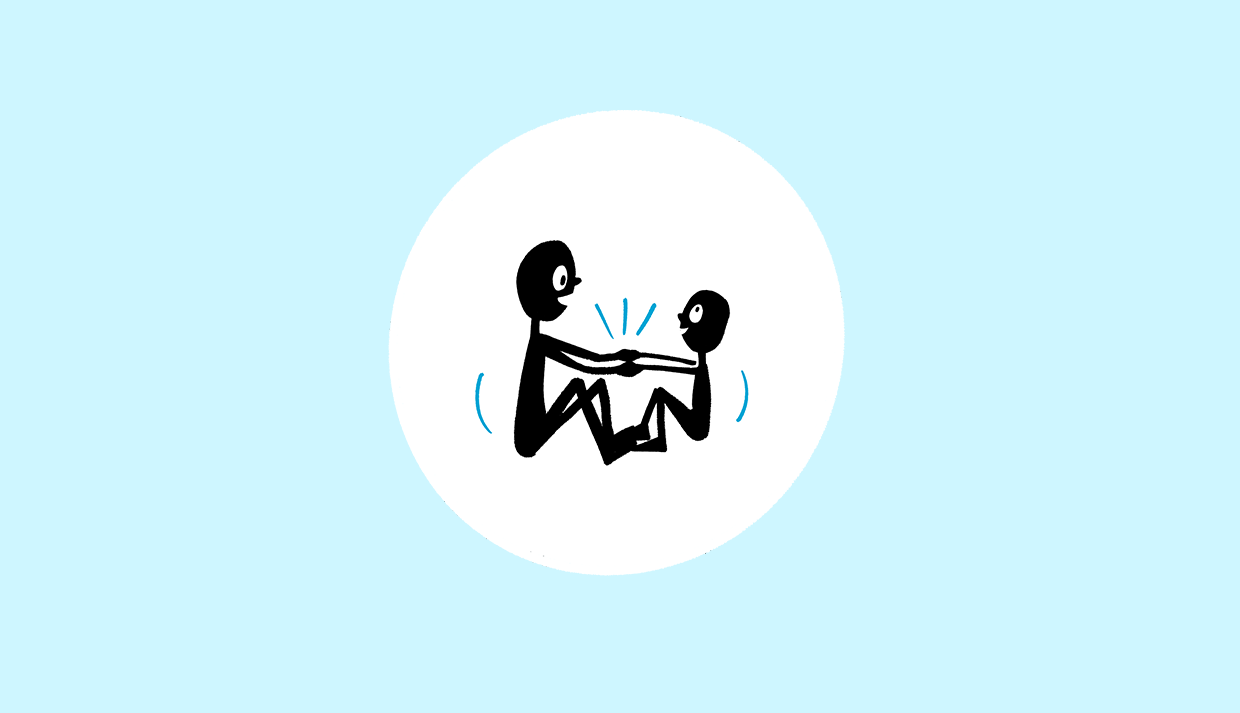
Course 2: Social play and interactivity
In this e-learning course, you will learn about the importance of social play and interactivity for communication development for people …
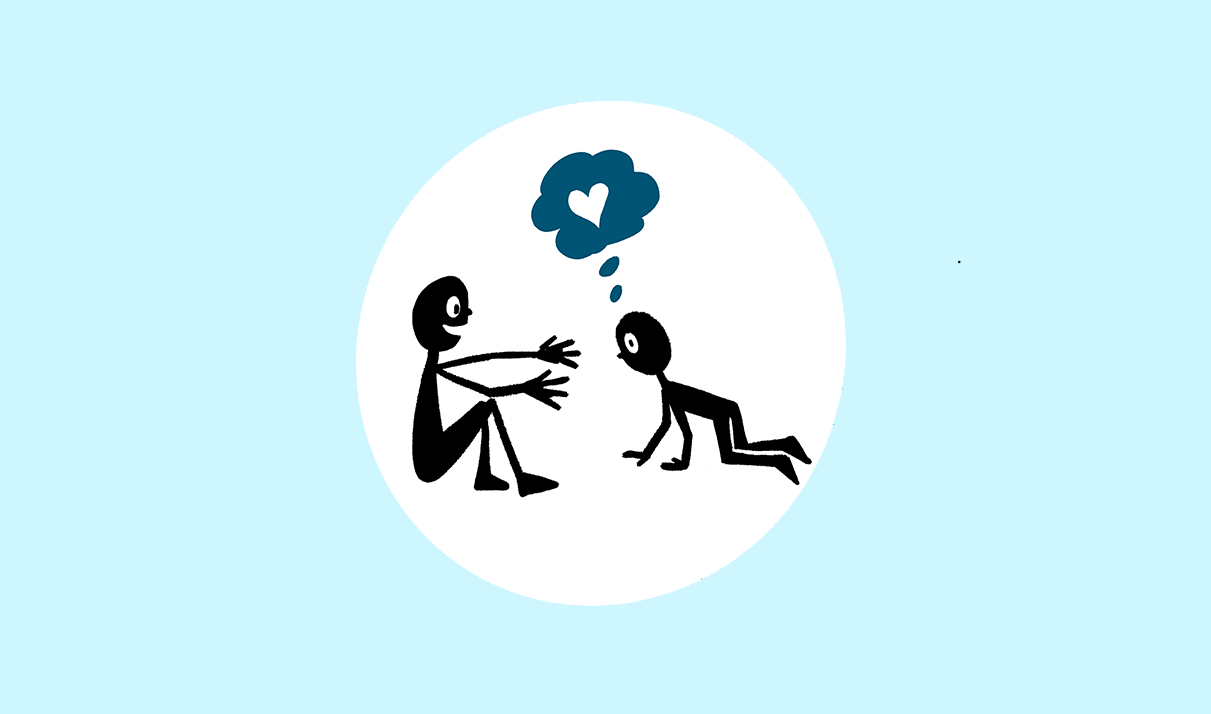
Course 3: Regulation of proximity and distance
Learn what regulating physical and emotional proximity and distance means for the communication development of a person with congenital …
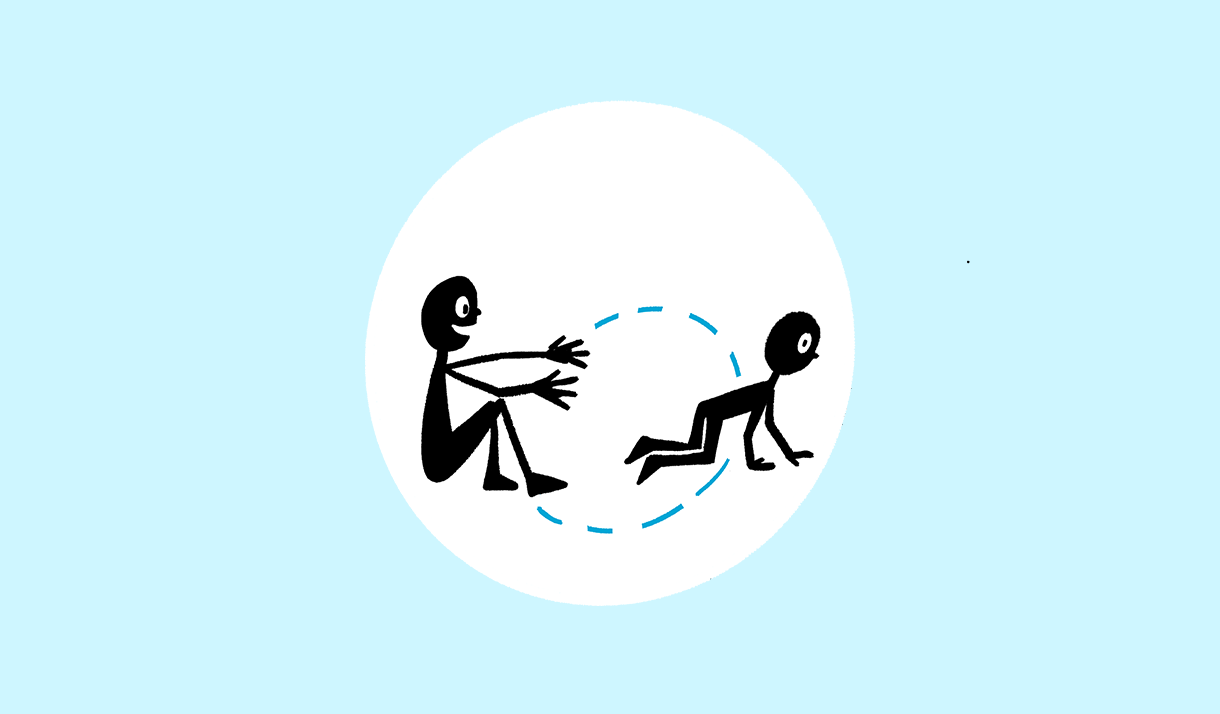
Course 4: Exploration
Learn about the importance of exploration for communication development in a bodily-tactile perspective.

Course 5: A voice of one’s own
Learn about how one’s own bodily-tactile voice is expressed, how it develops and what your role is as communication partner.

Course 6: Video analysis
Learn how video analysis can help strengthen interaction processes and increase participation in social interaction for people with …
Related content
Communicative Relations
Book about how bodily-tactile communication develops through social interaction.

TAKOM
TAKOM er en tegnbank med taktile tegn og ressursbank med forslag til aktiviteter og aktivitetsplaner.
Kombinerte syns- og hørselstap
Kombinerte syns- og hørselstap og døvblindhet kan være medfødt eller ervervet. Mange med kombinerte sansetap har både en syns- og …