
Course 1: Communication development in a bodily-tactile perspective
How does bodily-tactile communication develop? This is an introduction to the Diamond Model, which forms the basis for this course package.
About the e-learning course
This eLearning course is an introduction to “Development in a bodily-tactile communication.” The introduction is the first part of a course package.
This course provides an introduction to the Diamond Model. It covers the four fundamental ways in which we humans relate to the world around us.
You will learn about their importance for enabling a person with congenital deafblindness to actively participate in their own communication development.
An introductory animation video provides an insight into how the lack of sight and hearing affects access to information and social participation. You will also get insight into why movement and touch are central to communicating with people with congenital deafblindness.
Learning objectives
Through this introduction to “Development in a bodily-tactile communication course,” you will gain:
- An understanding of how communication development for people with congenital deafblindness can differ from that of people who use spoken or sign languages.
- Knowledge of how the Diamond Model can be used to understand communication development based on the four different ways of relating to the world.
Remaining courses in the course package
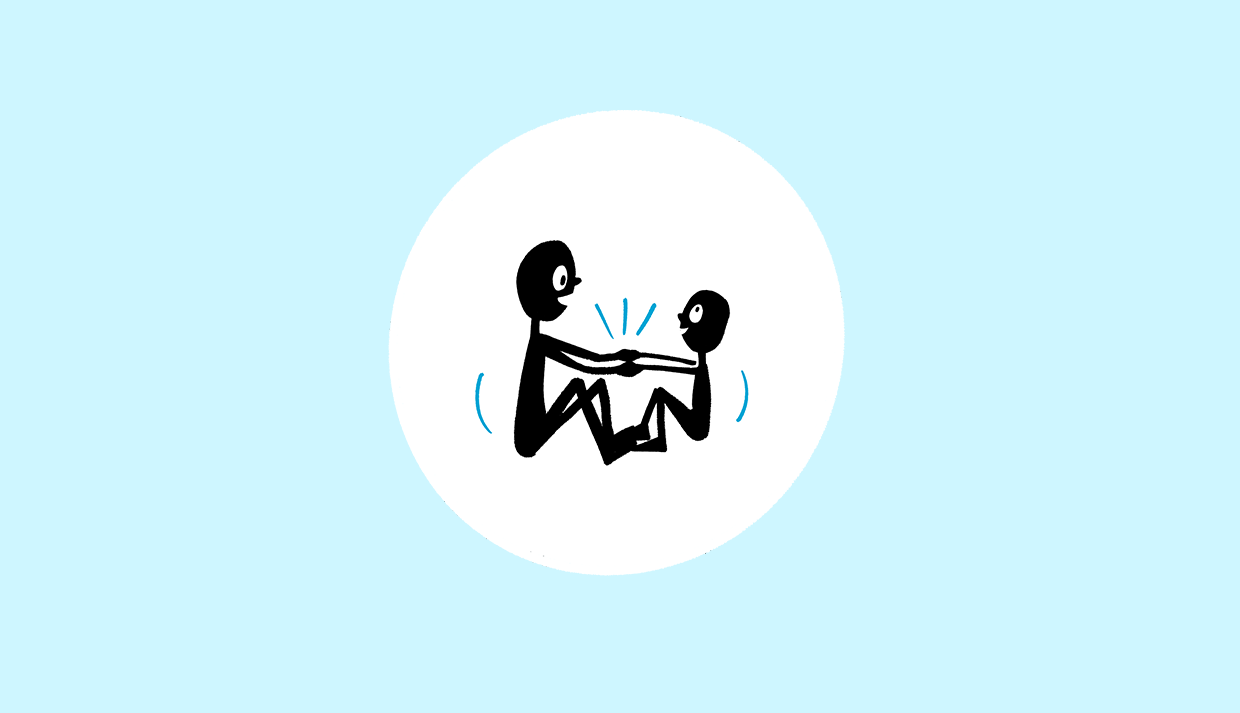
Course 2: Social play and interactivity
In this e-learning course, you will learn about the importance of social play and interactivity for communication development for people …
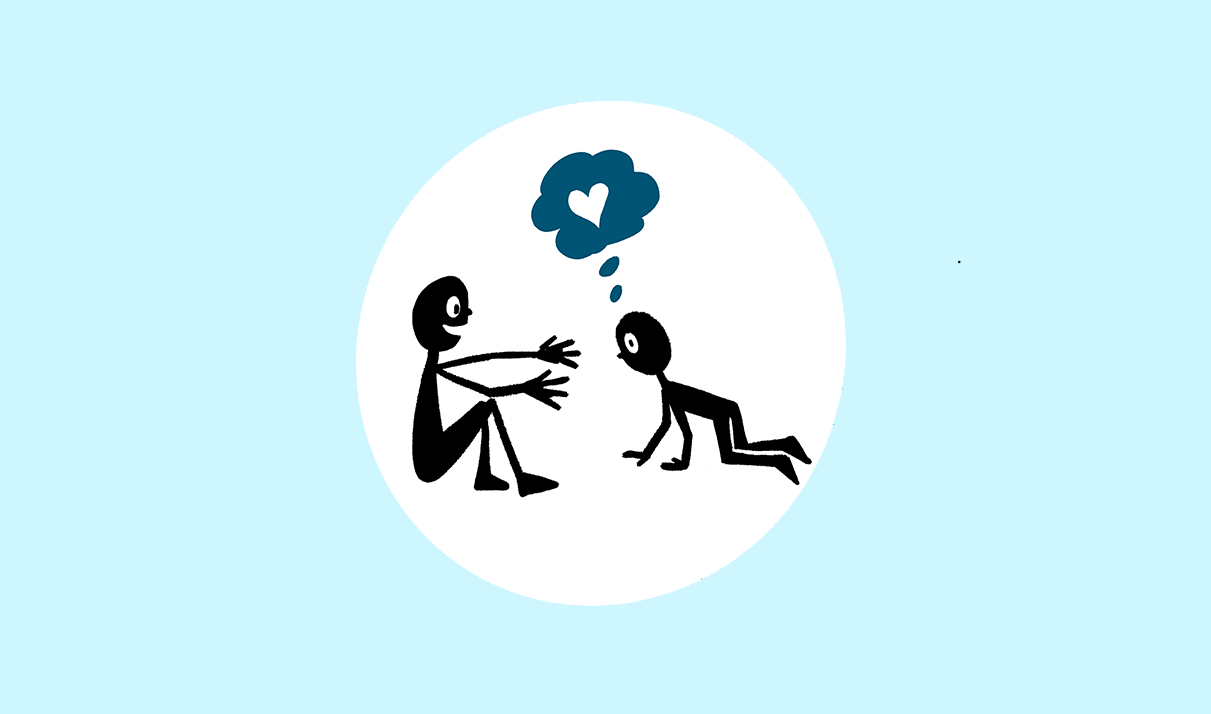
Course 3: Regulation of proximity and distance
Learn what regulating physical and emotional proximity and distance means for the communication development of a person with congenital …
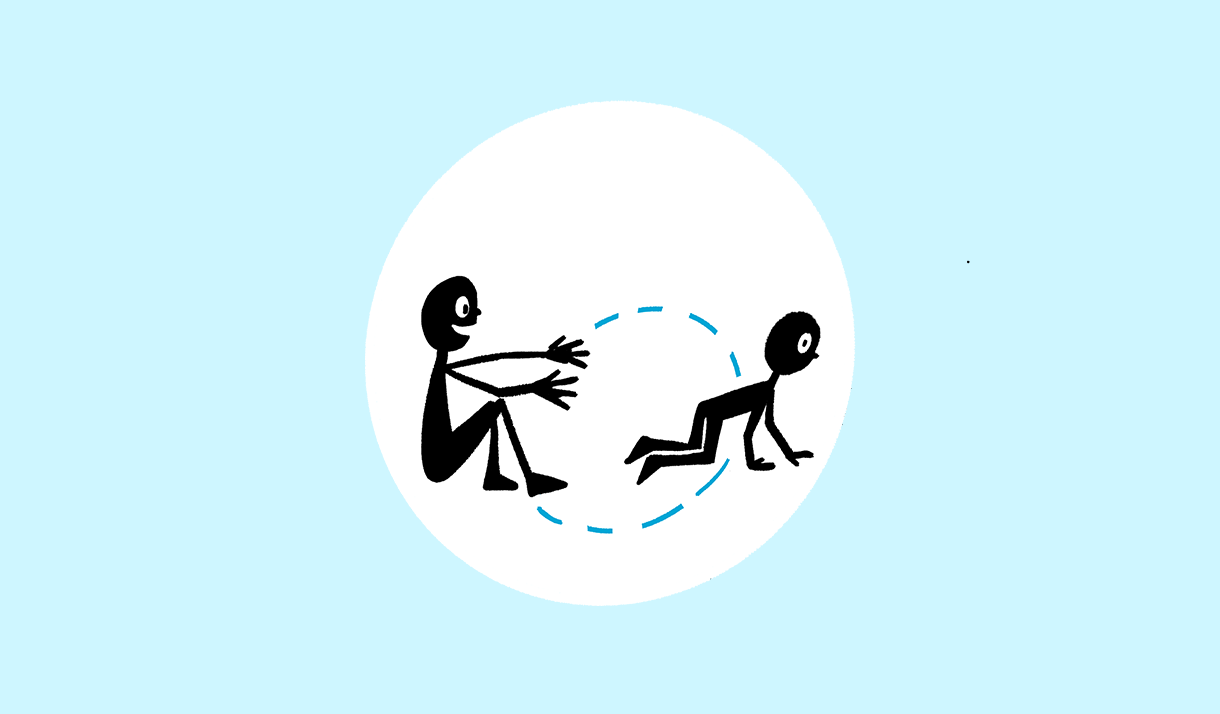
Course 4: Exploration
Learn about the importance of exploration for communication development in a bodily-tactile perspective.
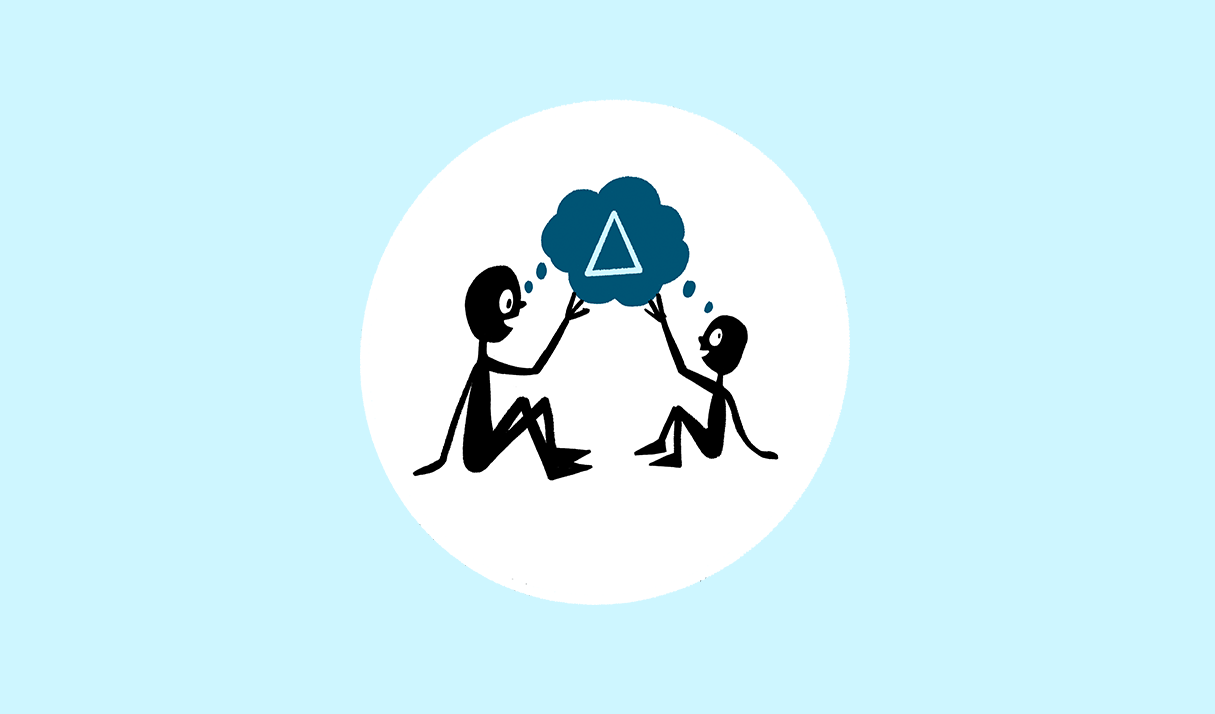
Course 5: A voice of one’s own
Learn about how one’s own bodily-tactile voice is expressed, how it develops and what your role is as communication partner.
Course 6: Video analysis
Learn how video analysis can help strengthen interaction processes and increase participation in social interaction for people with …
Related content
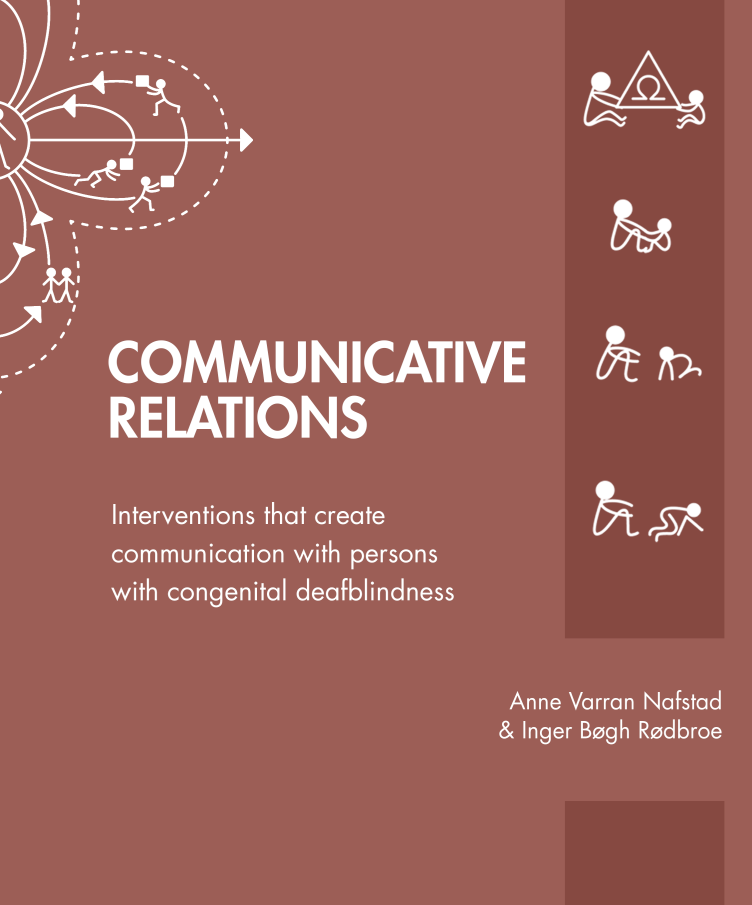
Communicative Relations
Bok om hvordan kroppslig-taktil kommunikasjon utvikles gjennom sosialt samspill.

TAKOM
TAKOM er en tegnbank med taktile tegn og ressursbank med forslag til aktiviteter og aktivitetsplaner.
Kombinerte syns- og hørselstap
Kombinerte syns- og hørselstap og døvblindhet kan være medfødt eller ervervet. Mange med kombinerte sansetap har både en syns- og …