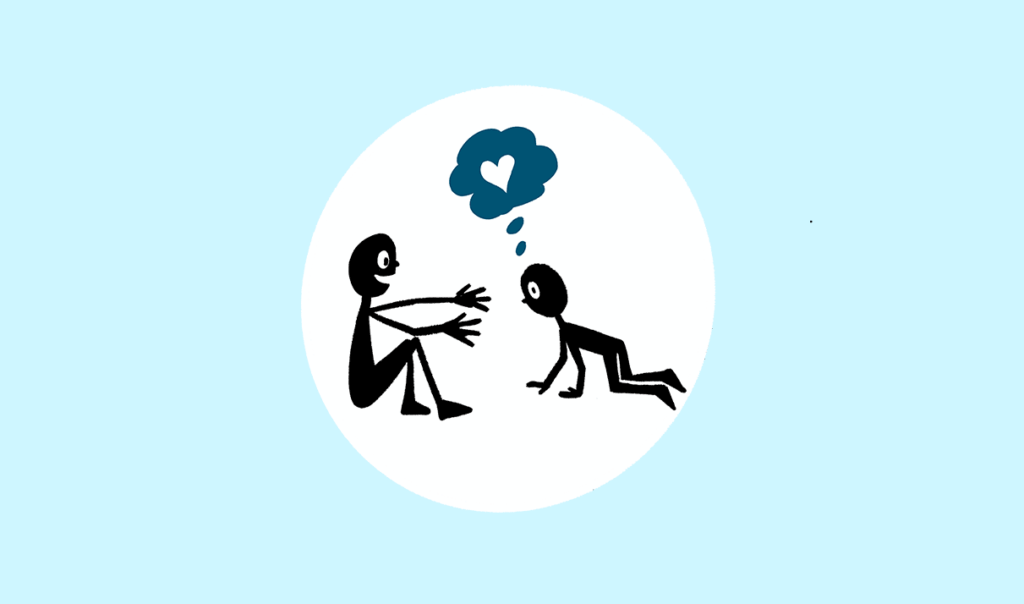
Course 3: Regulation of proximity and distance
Learn what regulating physical and emotional proximity and distance means for the communication development of a person with congenital deafblindness.
About the e-learning course
Regulating physical and emotional proximity and distance to each other is the second fundamental way we relate to the world around us. To understand the significance of this for active participation in communication development, we emphasise the role of trust. In this course, we will look at three areas where regulating proximity and distance is important for building reciprocal trust.
Learning objectives
Through this course, you will gain:
- An understanding of how a person with congenital deafblindness engages in the regulation of proximity and distance.
- Knowledge of your role as a secure base for exploration.
- Knowledge of your role as a guide in making the world accessible.
Remaining courses in the course package

Course 1: Communication development in a bodily-tactile perspective
How does bodily-tactile communication develop? This is an introduction to the Diamond Model, which forms the basis for this course package.
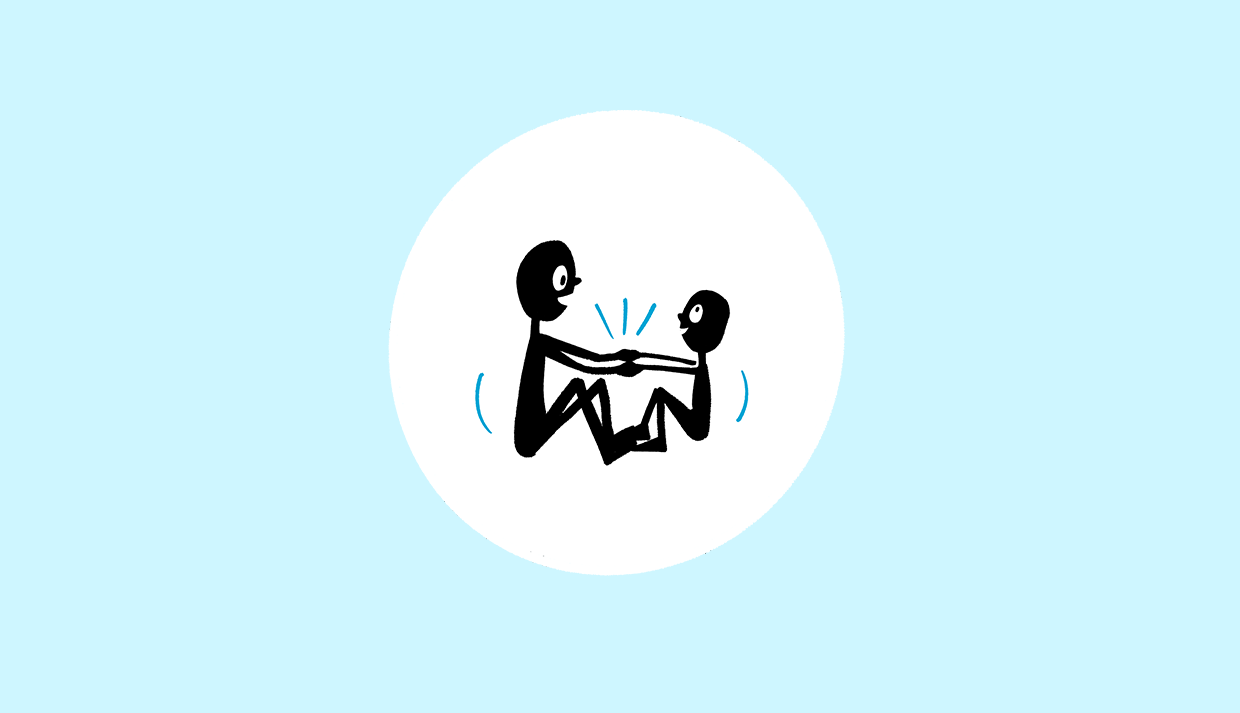
Course 2: Social play and interactivity
In this e-learning course, you will learn about the importance of social play and interactivity for communication development for people …
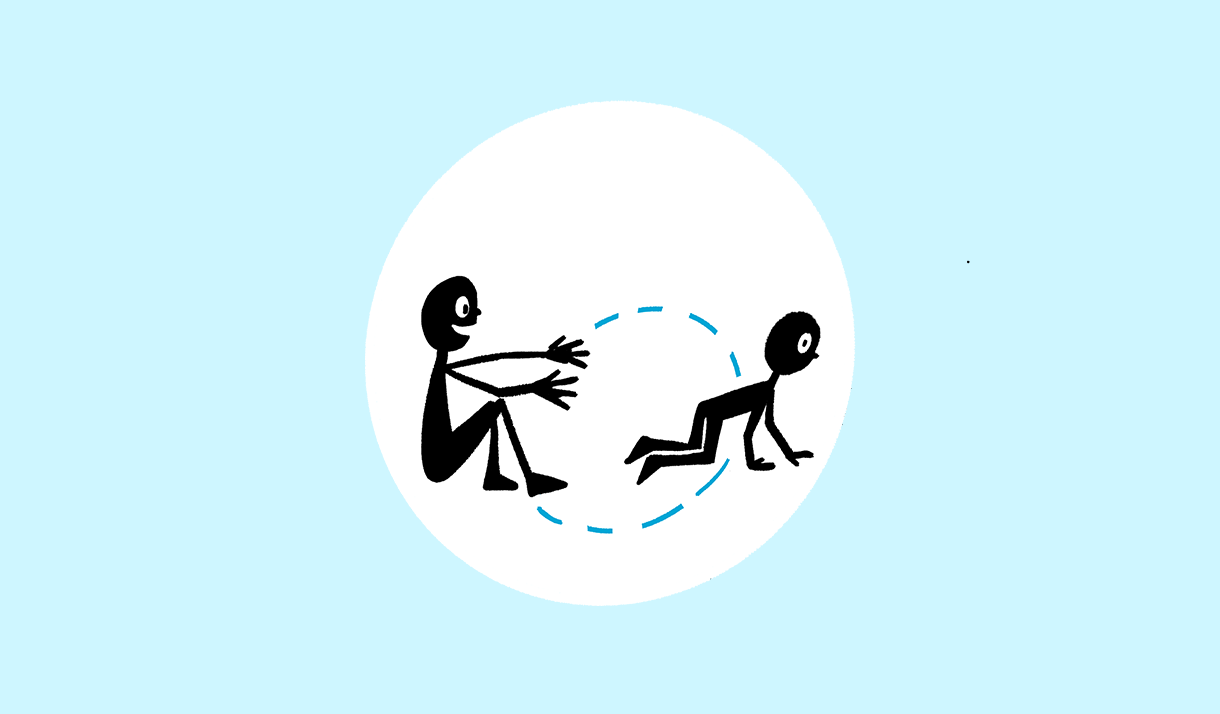
Course 4: Exploration
Learn about the importance of exploration for communication development in a bodily-tactile perspective.

Course 5: A voice of one’s own
Learn about how one’s own bodily-tactile voice is expressed, how it develops and what your role is as communication partner.

Course 6: Video analysis
Learn how video analysis can help strengthen interaction processes and increase participation in social interaction for people with …
Related content
Communicative Relations
Bok om hvordan kroppslig-taktil kommunikasjon utvikles gjennom sosialt samspill.

TAKOM
TAKOM er en tegnbank med taktile tegn og ressursbank med forslag til aktiviteter og aktivitetsplaner.
Kombinerte syns- og hørselstap
Kombinerte syns- og hørselstap og døvblindhet kan være medfødt eller ervervet. Mange med kombinerte sansetap har både en syns- og …